Demystifying Data: A Guide to Flat Infographic Templates
In a world overflowing with data and complex ideas, clarity is king. A Flat Infographic Template is your shortcut to that clarity. Imagine a ready-made, visual blueprint designed to turn numbers, processes, or stories into an easy-to-digest, engaging graphic. It's not just about making things look pretty—it's about making them understandable.
The Core Appeal of a Flat Design Style
The "flat" part refers to a clean, minimalist design aesthetic. These templates avoid glossy shadows, 3D effects, and overly intricate textures. Instead, they use simple shapes, bold colors, and clear typography. This style isn't just a trend; it serves a practical purpose. It removes visual clutter, allowing your audience to focus purely on the information and the story you're telling. For a business, this means your growth milestones, strategic roadmap, or product benefits can be communicated without distraction.
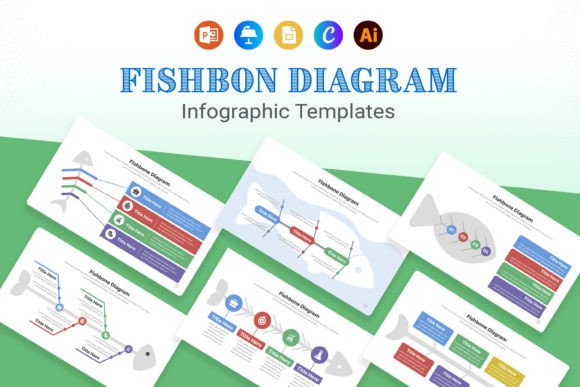
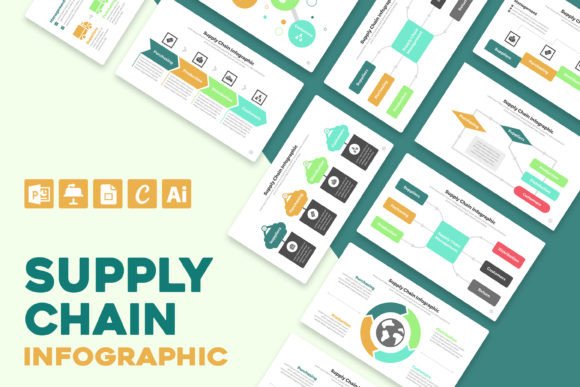
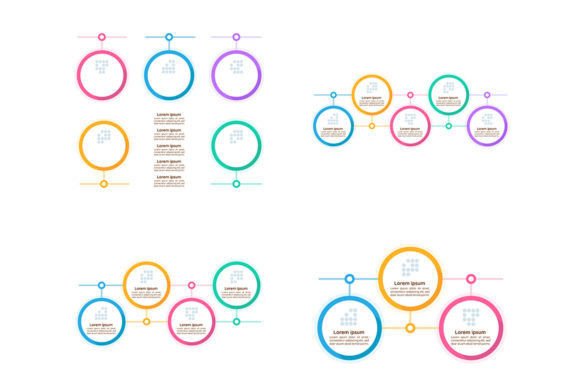
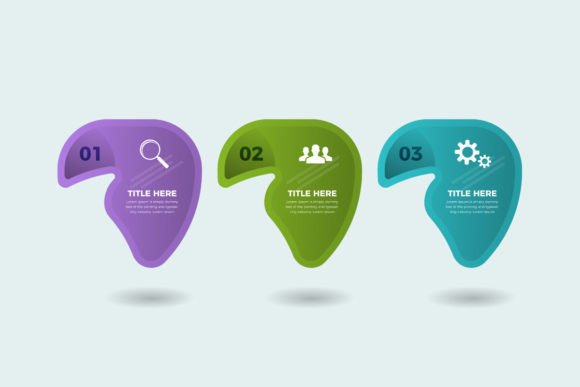
Think of it as a visual whiteboard. You're provided with the structure—icons for milestones, timelines for evolution, charts for growth metrics—and you fill it with your specific content. The value lies in its efficiency. You don't need to be a graphic designer to embark on a visual voyage through the intricacies of your thriving business. The template provides the vessel; you provide the course.
Who Needs a Flat Infographic Template and Why?
The appeal is remarkably broad. If you have information to share and want to ensure it is retained, a template can be your ally.
- Entrepreneurs & Small Business Owners: You can showcase your company's journey. From inception to present, use a template to visually depict each milestone, creating a powerful asset for investor meetings, website content, or social media to highlight your legitimacy and growth.
- Marketers & Bloggers: Break down a complex service or a successful campaign into a step-by-step visual. It's content that educates and engages, perfect for lead generation or explaining your unique value proposition.
- Educators & Freelancers: Simplify a tutorial, a workflow, or a portfolio summary. A well-designed infographic can make your expertise instantly apparent, serving as a teaching tool or a professional showcase.
- Hobbyists & Casual Users: Even planning a personal project, like a home renovation timeline or a family budget, can be clearer with a visual map. It helps organize thoughts and share plans with others.
The common thread is a need to communicate more effectively. The problem a Flat Infographic Template solves is the gap between having valuable data and having an audience that truly grasps it.
Practical Uses in Everyday Contexts
Let's move beyond theory into real-world application. How does this look in practice?
Consider a freelance web developer. They could use a template to create an infographic titled "The Website Development Process." Using flat icons and a clean flowchart, they outline phases from discovery to launch. This becomes a brilliant sales tool, educating potential clients and setting clear expectations.
In an educational setting, a teacher explaining a historical timeline can transform a list of dates into a vibrant, dynamic visual representation. Students connect with the material faster because the design encapsulates the essence of the period in a concise format.
For a small business, the template is ideal to unravel the layers of success and innovation. You can create an annual report infographic for your website, highlighting key achievements, market expansion, and customer growth metrics. It tells your story in a format people are more likely to read and remember than a dense PDF report.
Key Considerations Before You Start
While templates are incredibly helpful, a few thoughtful steps will ensure your final infographic is effective.
- Clarity of Message First: Before even opening a template, know the single core message you want to convey. Is it growth? A process? A comparison? Every element you add should serve that message.
- Data Selection: Not all data needs to be included. Be selective. Choose the most impactful statistics, the most critical milestones, or the most defining decisions that propelled you forward. Overloading an infographic defeats its purpose.
- Audience Awareness: Adjust the tone and complexity. An infographic for industry professionals might include more technical terms, while one for general customers should use simpler language. The template's design is adaptable, but your words must be too.
- Customization is Key: A template is a starting point, not a final product. Change the colors to match your brand, swap icons if they don't fit, and alter the layout to prioritize your most important point. Make it authentically yours.
The Result: More Than Just a Graphic
When used well, a Flat Infographic Template does more than organize information. It builds trust. By presenting your business roadmap or project plan transparently and professionally, you demonstrate competence and organization. It facilitates understanding, which in turn fosters engagement—whether that's a client signing a contract, a student mastering a concept, or a follower sharing your content.
Ultimately, it's a tool for connection. It allows you to explore the strategic roadmap of your venture and share that exploration with others in the most accessible way possible. By turning intricacies into insights, you're not just showing data; you're telling a story of progress, and that is a story people want to hear.