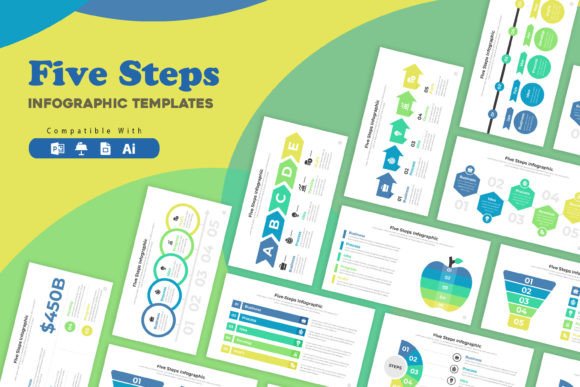
The Five Steps Infographic Template: A Design Tool for Clarity
In a world saturated with information, the ability to distill complexity into clarity is a superpower. The Five Steps Infographic Template from Mighty Slide is precisely the tool that grants you that power. It’s not just another presentation slide; it’s a structured, visual framework designed to transform convoluted processes, data-heavy explanations, and intricate workflows into engaging, easy-to-follow narratives. At its core, this template is about communication efficiency, leveraging a step-by-step format to guide your audience through understanding with minimal friction.
Visual Characteristics and Design Appeal
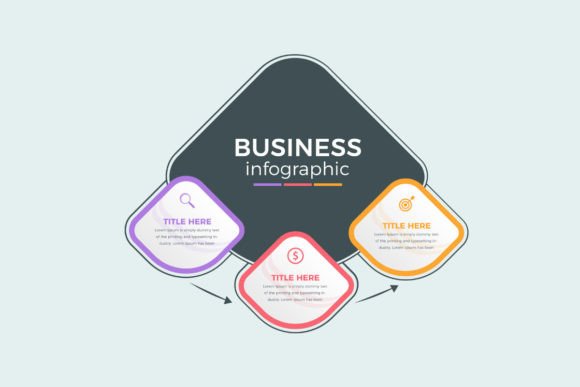
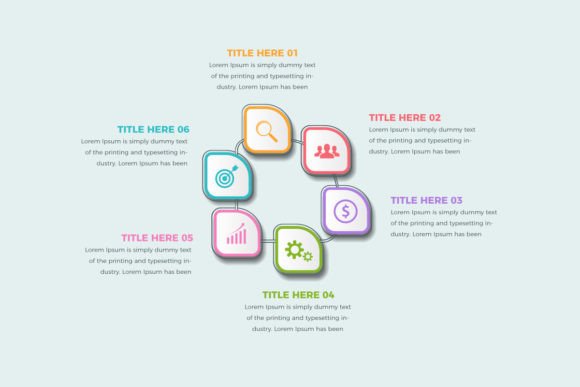
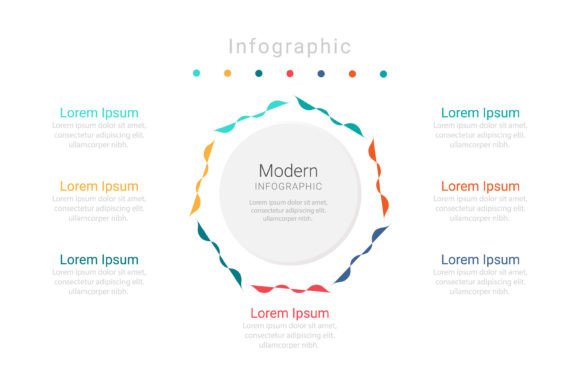
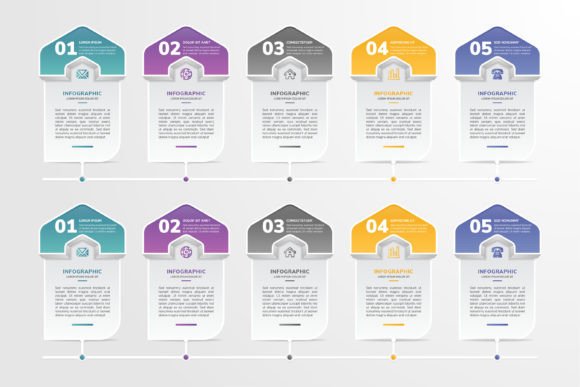
The template’s personality is defined by modern minimalism. With 24 unique designs to choose from, the aesthetic range spans clean, geometric layouts to more organic, flowing structures, all united by a commitment to simplicity. This isn’t simplicity for lack of substance, however. It’s a purposeful reduction of visual noise, ensuring that each step in your infographic stands out without competing with unnecessary decoration. The professional and clean design acts as a blank canvas for your content, prioritizing your message over flashy graphics. The overall appeal lies in its versatility and confidence—it feels authoritative yet approachable, a balance crucial for educating or persuading diverse audiences.
The typography and graphical elements within these templates are built for hierarchy. The “step” indicators are visually prominent, creating a natural anchor point for the viewer’s eye. Supporting text areas and data visualization spots are clearly demarcated, allowing you to build a logical flow from one point to the next. This thoughtful layout is what turns a standard list into a compelling visual journey.
Application Across Creative and Professional Fields
The utility of the Five Steps Infographic Template stretches far beyond the corporate boardroom. Its format is a fundamental solution for anyone needing to explain a sequence. For marketers, it’s perfect for illustrating customer journey maps or breaking down a new campaign rollout. Entrepreneurs can use it to visualize business workflows or funding stages for pitch decks. Content creators and bloggers find it invaluable for crafting “how-to” guides or summarizing lengthy research into digestible social media graphics.
In branding and publishing, the template serves as a tool for editorial design, explaining a company’s history or a product’s creation process in annual reports or magazine features. Designers and crafters can employ it to document a creative process or tutorial. For educators and trainers, it simplifies complex scientific processes or software tutorials into clear, training materials. Whether the final output is digital or print, for personal use or a commercial project, the template’s editable nature ensures it adapts to your specific medium and brand aesthetics.
Influencing Perception and Enhancing Engagement
Using a structured visual tool like this directly impacts how your audience perceives your content and, by extension, your brand. A well-executed Five Steps Infographic immediately conveys professionalism and preparedness. It signals that you’ve invested time in organizing your thoughts, which builds trust. The visual hierarchy inherent in the step-by-step format dramatically improves readability. Audiences can process information faster and retain it longer when it’s presented visually and sequentially.
This clarity fosters better engagement. Instead of struggling to follow a dense paragraph, your viewer is guided along a path. Each completed step provides a small sense of accomplishment, keeping them invested in reaching the conclusion. For brand identity, consistently using such a clean, professional template across presentations creates visual consistency. This repetition aids in brand recognition, making your communications instantly familiar to your audience. It elevates your message from mere information to a crafted experience.
Practical Guidance for Implementation
Choosing the right design from the 24 options is your first creative decision. Evaluate your project’s tone. Is it a serious business report? Opt for a layout with strong, aligned elements and a neutral color scheme. Is it a creative portfolio piece? Perhaps a design with more dynamic shapes or softer connectors is better. The key is to match the template’s visual personality to your content’s emotional core.
Since the template is 100% editable across platforms like PowerPoint, Google Slides, and Apple Keynote, integration into your existing workflow is straightforward. A practical recommendation is to first storyboard your five key points in simple text. Once your narrative is solid, then select the template design that best frames that story. This prevents the design from driving the content, instead letting the content utilize the design.
Consider font pairing within the template. While it uses free fonts, you can customize them. Ensure your chosen typefaces maintain readability at various sizes. For titles or step headers, a bold, clean sans serif font often works best. For explanatory body text, a simple, readable serif or sans serif is ideal. Test your final infographic at a distance—can the core steps be understood quickly? This is crucial for both live presentations and static documents.
The commercial licensing is clear through its inclusion in commercial projects, making it a safe, premium asset for freelance designers or agencies working on client presentations. The package’s versatility—including files for Adobe Illustrator for deeper customization—means it scales from a quick internal edit to a fully branded, agency-level design piece.
Moving from Template to Impactful Communication
The true test of any design asset is its application. Imagine using the Five Steps Infographic Template to explain a software installation process to non-technical clients. The anxiety of a new process is alleviated by the clear, numbered stages. Or consider visualizing quarterly sales statistics. Instead of a daunting table, each step could represent a month, with a clear graphic showing trend progression, making the data story immediate and impactful.
These templates avoid the common pitfall of many infographics: overwhelming the viewer with too much at once. By legally limiting the framework to five focal points, it forces you, the communicator, to prioritize and synthesize. This discipline often results in a more powerful message than a freeform design might. It’s a constraint that breeds creativity and clarity.
Ultimately, the Five Steps Infographic Template is more than a set of slides. It’s a methodology packaged as a design tool. It encourages you to break down the complex, to sequence the chaotic, and to present your ideas not just with style, but with an underlying structure that respects your audience’s need to understand. By bringing this level of thoughtful organization to your presentations, you don’t just share information—you create understanding, and that is the foundation of all effective communication.