Mastering Communication with Gradient Vector Infographic Design
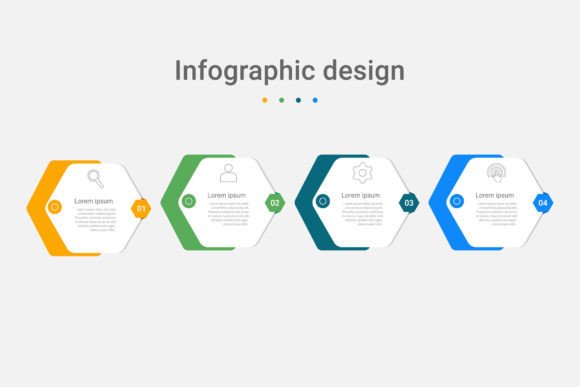
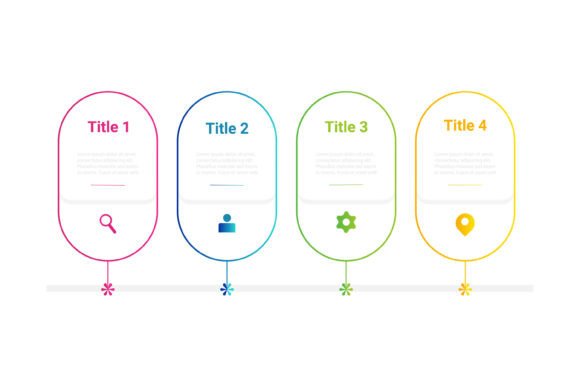
In today's fast-paced digital landscape, where attention is fragmented and information overload is constant, the ability to distill complex ideas into clear, visually compelling narratives is a critical skill. Enter the Gradient Vector Infographic Design 4step, a structured approach and a powerful template designed to transform how we share knowledge. This method leverages the precision of vector graphics and the aesthetic appeal of gradients to create a four-level or four-step visual framework, offering a sophisticated yet accessible way to guide an audience through a process, a comparison, or a hierarchical concept.
Why a Structured Visual Framework Matters Now
The relevance of a dedicated Gradient vector infographic design template with 4 levels stems from fundamental shifts in both consumption habits and professional demands. Users, from casual readers to busy executives, expect clarity and efficiency. They are drawn to content that respects their time by organizing information logically while also engaging their senses. This template directly addresses that expectation by providing a predictable, clean structure—the four steps or options—paired with the modern, sleek look of gradient color transitions.
This approach fits seamlessly into contemporary workflows. For marketers, it translates campaign stages into a shareable asset. For educators, it breaks down lesson objectives into digestible parts. For entrepreneurs pitching to investors, it can outline a business model's key phases with visual polish. The included AI illustration and high-resolution JPG image further streamline creation, allowing professionals and creators to focus on content rather than complex design mechanics. It represents a move away from cluttered, text-heavy slides and towards a more minimalist, visually-led communication standard.
The Evolution of Infographics into Professional Tools
Infographics have evolved from simple blog embellishments to core components of professional strategy and data storytelling. Early infographics were often static, illustration-heavy, and sometimes difficult to replicate consistently. The introduction of vector-based templates, particularly those like the Gradient Vector Infographic Design 4step, marks a significant maturation. Vector graphics ensure scalability and crispness across any medium—from a website banner to a printed report—while the defined four-step structure imposes a discipline that elevates the end product.
People are paying more attention to such templates because the market now values brand consistency and systematic content creation. A freelancer can use the same template framework for multiple client projects, establishing a recognizable style. A business owner can ensure all internal process documentation shares a common visual language. The gradient element, moving beyond flat colors, adds a layer of depth and dynamism that feels current, aligning with broader design trends seen in UI design and digital advertising. It’s no longer just about presenting information; it’s about presenting it with a cohesive and professional aesthetic that builds trust.
Practical Implications for Creators and Businesses
For the individual creator—a blogger, educator, or freelance designer—this template offers a practical shortcut to quality. Instead of starting from a blank canvas, the predefined four-level structure serves as a reliable scaffold. One can map out a tutorial’s key steps, compare four product features, or outline a personal development plan’s quarterly phases. The gradient vector design inherently makes the output look polished, which enhances credibility and shareability on social platforms or within publications.
For businesses and teams, the implications are operational and strategic. Consistency in external communication strengthens brand identity. Internally, using a standardized template for process infographics—like onboarding steps or project lifecycle diagrams—can improve understanding and adherence. The fact that the file includes an AI illustration and a CC high-regulation JPG image means assets are ready for adaptation and meet quality standards for both digital and print collateral, reducing the resource drain on often-overburdened marketing departments.
Integrating the Template into Modern Creative Practices
Adopting a Gradient vector infographic design template aligns with a more agile, tool-centric creative practice. Modern creators often assemble their workflows from a suite of reliable templates and assets that guarantee a baseline of quality. This particular template fills a specific niche for sequential or hierarchical information.
Consider a realistic example: a health coach creating content about a "4-Step Morning Routine for Energy." Using the template, Step 1 could be "Hydration" with a cool blue-green gradient, Step 2 "Movement" with a transition to warmer yellow, Step 3 "Mindfulness" in a calming purple, and Step 4 "Nutrition" in a vibrant orange-red. The visual progression not only organizes the content but also uses color psychology to subtly reinforce the message of moving from calm to energized. Another example could be a tech company using the four options to visually compare the tiers of its new software plan, making the differences between Basic, Pro, Business, and Enterprise immediately apparent.
Recommendations for Effective Use
To leverage this design approach effectively, start by rigorously defining your four core points. The structure demands discipline; each step or level must be a distinct, valuable piece of the whole. Avoid forcing five ideas into four slots. Use the gradient not merely as decoration, but to create a visual flow—perhaps progressing from light to dark to signify intensity, or using complementary colors to highlight contrasting options.
Remember that the vector basis allows for endless customization without loss of quality. Change colors to match your brand palette, adjust the gradient direction, or integrate the provided AI illustration as a central icon. The goal is to use the template as a foundation, not a constraint, injecting your unique content into a proven visual framework. This balance between consistency and customization is key to producing work that stands out while remaining clear and professional.
The Forward-Looking Value of Structured Visual Design
Looking ahead, the demand for structured, templated design assets that combine aesthetic appeal with logical rigor will only grow. As remote collaboration continues and content production scales, having shared visual languages—like a Gradient Vector Infographic Design 4step template—becomes essential for efficient teamwork and coherent output. It represents a move towards design systems for communication, similar to how brands use design systems for their digital products.
This is not about a fleeting trend; it is about a pragmatic response to the need for speed, clarity, and professionalism in information sharing. By mastering this and similar frameworks, creators and businesses equip themselves with a versatile tool. They can adapt to changing platforms—whether the next popular social medium or a new internal reporting tool—because the core asset is scalable, editable, and built on a solid, understandable structure of four clear steps. Ultimately, it empowers anyone to communicate complex ideas with the simplicity and impact that today’s audience requires.