Charting the Course: How a Business Roadmap Infographic Clarifies Strategy and Accelerates Growth
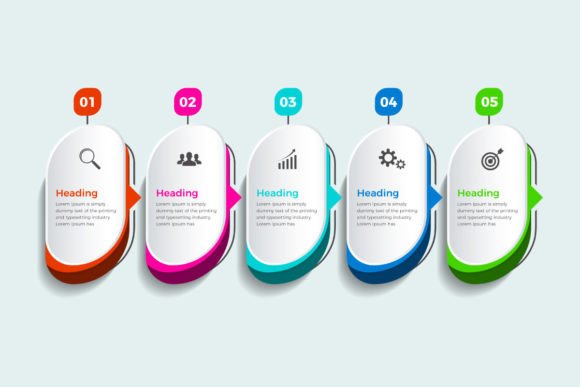
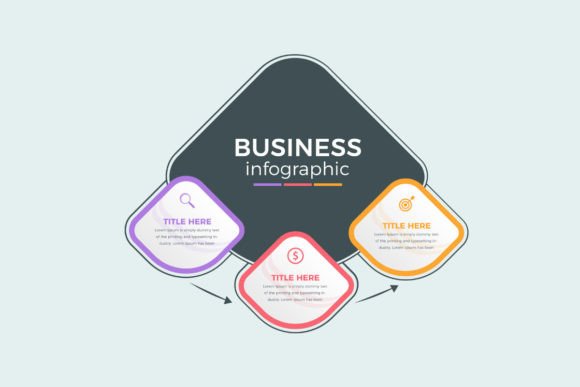
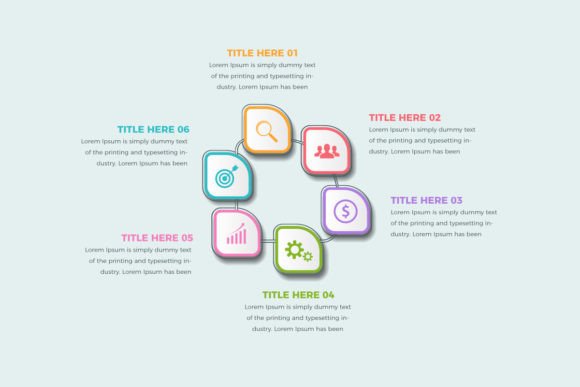
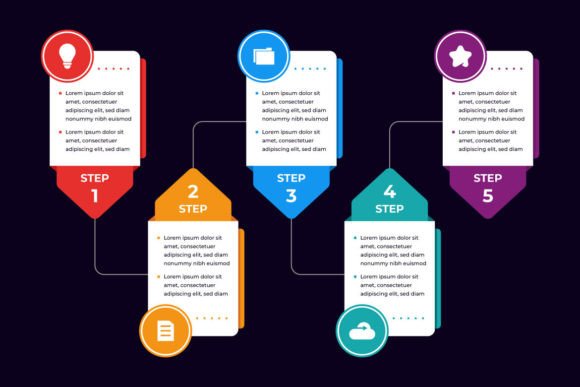
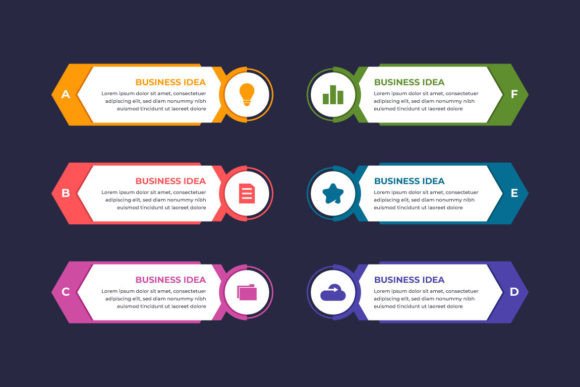
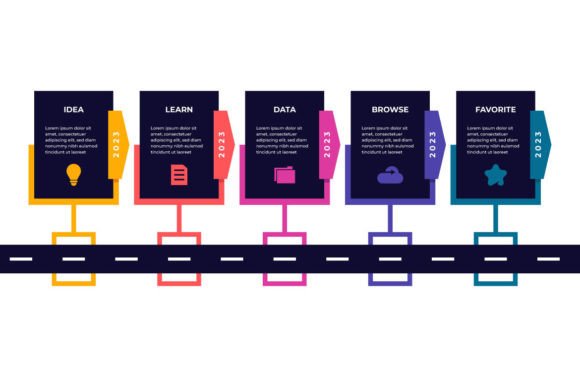
In today's fast-paced business environment, clarity is currency. Amidst complex strategies, shifting market dynamics, and multifaceted team goals, the ability to communicate a plan succinctly and powerfully is a critical competitive advantage. This is where the strategic utility of a Business Roadmap Infographic Template becomes indispensable. Embark on a visual voyage through the intricacies of a thriving operation with a comprehensive infographic, designed to unravel the layers of success and innovation. This dynamic visual representation encapsulates the essence of a business journey in a concise and engaging format, transforming abstract ambition into a tangible, navigable path.
What Is a Business Roadmap Infographic Template?
A Business Roadmap Infographic Template is a structured visual framework that maps out the key phases, milestones, objectives, and initiatives of a business strategy over a defined timeline. Unlike a simple checklist or a dense textual report, it synthesizes information into a cohesive graphic narrative. Typically, it integrates elements like temporal lanes, symbolic icons, progress indicators, and concise data points to illustrate the journey from conception to execution and beyond. It is not merely a project timeline; it is a holistic depiction of growth, encompassing product development, market expansion, team scaling, financial targets, and innovation cycles. The template provides a reusable, adaptable structure that organizations can customize to reflect their unique vision, serving as both a planning tool and a communication artifact.
The Convergence of Visual Communication and Strategic Planning
The rise of the Business Roadmap Infographic Template is symptomatic of broader trends in how we process information and collaborate. In the professional sphere, we are witnessing a decisive shift towards visual communication—a trend driven by the need for faster comprehension and reduced cognitive load in decision-making. This aligns with the proliferation of data visualization in analytics, the dominance of visual platforms in marketing, and the growing emphasis on design thinking in business operations. Simultaneously, strategic planning itself has evolved from rigid, annual exercises to more agile, iterative, and transparent processes. Stakeholders, from executives to frontline employees, now expect visibility into the strategic direction and their role within it. The infographic template sits at the intersection of these demands, offering a visually engaging, easily updatable, and highly shareable medium that makes strategy accessible to all.
Why Professionals Are Prioritizing Visual Roadmaps
The attention directed towards tools like the Business Roadmap Infographic Template is not incidental. It responds directly to several changing needs and expectations in modern workflows.
- The Need for Alignment in Distributed Teams: With remote and hybrid work becoming standard, ensuring every team member, regardless of location, understands the strategic priorities is paramount. A visual roadmap acts as a central, clarifying reference point, minimizing misinterpretation and fostering unified effort.
- The Preference for Agile Over Static Plans: Traditional business plans often feel monolithic and obsolete shortly after publication. Professionals now prefer dynamic tools that can reflect quarterly pivots, new opportunities, or learned insights. A well-designed infographic template is inherently easier to revise and redistribute than a full document, supporting an agile mindset.
- The Expectation of Stakeholder Engagement: Investors, partners, and even clients increasingly seek transparency into a company's trajectory. A polished, professional roadmap infographic can be a powerful element in pitches, reports, and onboarding materials, building confidence and demonstrating organized foresight.
- The Demand for Efficient Communication: Time for lengthy explanations is scarce. Leaders need to convey complex multi-year strategies quickly. A visual roadmap distills this complexity, enabling faster briefings and more productive strategic discussions.
Practical Applications: From Startup Launch to Enterprise Scaling
The utility of a Business Roadmap Infographic Template manifests across various scenarios. Consider a tech startup using it to plot its journey from MVP launch to Series B funding, clearly showing parallel tracks for user acquisition, feature rollouts, and team growth. This becomes a living document in investor decks and internal kickoff meetings. For a marketing agency, the template might visualize a campaign year, integrating client onboarding phases, creative development sprints, channel deployment, and performance review milestones, aligning creative and account teams. In a larger enterprise undergoing digital transformation, separate roadmap lanes could illustrate legacy system sunsetting, new platform implementation, staff training waves, and expected efficiency gains, providing clarity across departments. These are not generic feature lists but contextual, insight-driven narratives that tie daily tasks to strategic outcomes.
Connecting to Larger Developments: Strategy as a Shared Story
The relevance of the Business Roadmap Infographic Template connects to a larger development in organizational leadership: the move towards strategy as a narrative. Modern businesses understand that a plan is more effectively executed when it is understood as a compelling story—one with a beginning, challenges, milestones, and a vision of success. This narrative approach boosts buy-in and motivation. The infographic template is the perfect medium for this strategic storytelling, providing the "plot points" (key milestones) and "characters" (team roles) in a visually memorable sequence. Furthermore, as businesses increasingly operate within ecosystems—interdependent with partners, platforms, and communities—the roadmap infographic serves as a tool for ecosystem alignment, showing how internal initiatives sync with external market movements or technological advancements.
Implementing with Insight: Best Practices
To leverage a Business Roadmap Infographic Template effectively, one must focus on insight over mere decoration. Start by defining the core strategic narrative—what is the central journey you are depicting? Then, select a template structure that supports that narrative, whether it's a chronological flow, a phased pipeline, or a multi-track parallel progression. Use color and icons semantically; for instance, red might denote critical risks or dependencies, while a rocket icon could symbolize launch phases. Crucially, keep text minimal and data-driven. Each element should answer a viewer's implicit question: "What happens here, and why is it important?" Regularly update the roadmap to reflect reality, treating it as a strategic dashboard rather than a static poster. This practice turns the template into a tool for continuous strategic dialogue, not just a one-off creation.
The Future of Strategic Visualization
Looking forward, the principles embodied by the Business Roadmap Infographic Template will only deepen in relevance. As artificial intelligence begins to assist in predictive planning and scenario modeling, the output will still require clear visualization for human interpretation and decision-making. The integration of real-time data feeds into roadmap visuals—creating "live" strategic dashboards—is a natural progression. Furthermore, the expectation for accessibility and inclusivity in communication will drive designs that are not only visually appealing but also comprehensible to diverse audiences, including those with different cognitive preferences. The template, therefore, is part of an enduring shift towards making business strategy more transparent, engaging, and actionable.
In conclusion, the Business Roadmap Infographic Template is far more than a trendy graphic. It is a response to the evolving needs of clarity, alignment, and agility in business. It transforms the abstract into the tangible, the complex into the accessible, and the plan into a story. For professionals, creators, and leaders aiming to navigate their ventures through the intricacies of growth and innovation, adopting this visual approach is a practical step towards not just documenting a strategy, but ensuring it is lived and achieved. By encapsulating the essence of a business journey, it provides the map for the voyage—and a shared vision for the destination.